

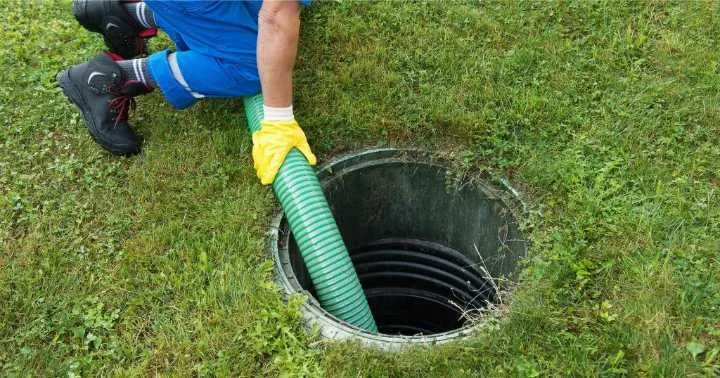
Maintaining a septic tank is crucial for the proper functioning of your home’s wastewater disposal system. Regular septic tank pumping is a fundamental aspect of this maintenance, but the frequency can vary depending on several factors. In this article, we will provide expert advice on how often you should schedule septic tank pumping to ensure the longevity and efficiency of your septic system, as well as to prevent costly issues down the road.
Understanding the Factors: The frequency of septic tank pumping depends on several key factors. Understanding these factors is essential for making an informed decision about when to schedule this vital maintenance task.
- Tank Size: The size of your septic tank plays a significant role in determining pumping frequency. Larger tanks can hold more wastewater and solids, which means they typically require pumping less frequently than smaller tanks.
- Household Size: The number of people in your household affects the amount of wastewater generated. A larger family will produce more wastewater, increasing the frequency of pumping.
- Water Usage Habits: Your water usage habits also impact the frequency of septic tank pumping. High water consumption, such as frequent long showers or excessive laundry, can result in more wastewater entering the tank and may necessitate more frequent pumping.
- Tank Maintenance: Regular maintenance, including inspections and routine pumping, can extend the time between pump-outs. Neglecting maintenance can lead to more frequent pumping requirements.
Expert Recommendations: While several factors influence septic tank pumping frequency, experts generally recommend the following guidelines:
- Every 3-5 Years: For the average household with a standard-sized septic tank (typically around 1,000 to 1,500 gallons) and normal water usage, scheduling septic tank pumping every 3-5 years is a common recommendation. This timeframe allows for the removal of accumulated solids and prevents blockages and system overload.
- Larger Tanks: Homes with larger septic tanks, such as those exceeding 1,500 gallons, may be able to go longer between pumpings, often up to 5-7 years. The increased tank capacity allows for more wastewater and solids to accumulate before requiring pumping.
- Smaller Tanks and High Water Usage: Conversely, households with smaller septic tanks or high water usage may need more frequent pumping, typically every 2-3 years. Smaller tanks have limited storage capacity, while excessive water usage can strain the system, necessitating earlier pump-outs.
- Regular Maintenance: Investing in regular septic system maintenance, including inspections and pump-outs, can significantly extend the time between pumpings. Proper maintenance can help identify issues early, prevent costly repairs, and keep your septic system operating efficiently.
Monitoring and Adjusting: The key to determining the right pumping schedule for your septic system is monitoring its performance and adjusting as needed. Here are some tips to help you keep track:
- Keep Records: Maintain a record of your septic system’s pumping history, including dates and service details. This record will help you establish a pattern and determine when the next pumping is due.
- Watch for Signs: Pay attention to signs of a full or malfunctioning septic system, such as slow drains, foul odors, or standing water in your yard. These red flags may indicate that it’s time for a pump-out.
- Consult a Professional: If you’re unsure about the optimal pumping frequency for your specific situation, consult a professional septic service provider. They can assess your system, consider your household’s unique factors, and provide expert recommendations.
Conclusion: Maintaining a healthy septic system is essential for the well-being of your home and the environment. While the recommended frequency for septic tank pumping varies based on factors like tank size, household size, and water usage, regular maintenance and vigilance are key. By understanding the factors at play, consulting with experts, and monitoring your system, you can determine the right pumping schedule to ensure your septic system’s longevity and efficiency while preventing costly issues down the road. Don’t wait until problems arise; take proactive steps to maintain your septic system and enjoy a worry-free home environment.
